
How to Fix Stranded Inventory on Amazon

Connor Mulholland
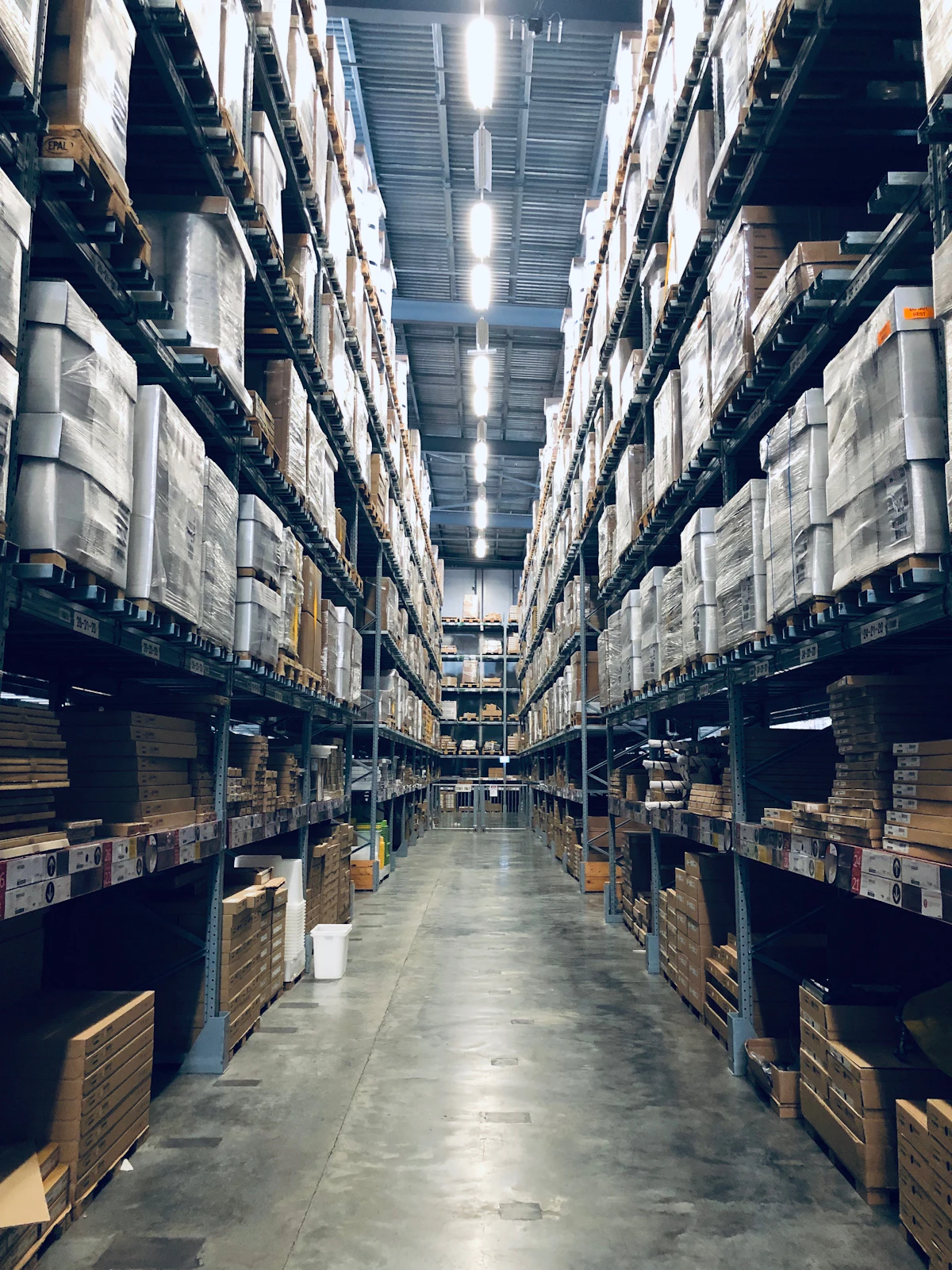
Stranded inventory sits in FBA warehouses but is not listed for sale — you pay full storage fees on products nobody can buy. The most common causes are closed listings (pricing errors), suppressed listings (image or content compliance), and accidentally deleted ASINs. Check Inventory → Fix Stranded Inventory weekly, fix root causes within 24-48 hours, and set up automated alerts to catch new strandings immediately.
What is stranded inventory?
Stranded inventory is stock sitting in Amazon's FBA warehouses that isn't attached to an active, buyable listing. The inventory exists — it's physically in Amazon's fulfillment centers — but no customer can purchase it because the listing is closed, suppressed, deleted, or otherwise inactive.
This is one of the most expensive mistakes an FBA seller can make, because the costs are invisible unless you actively look for them. You're paying full monthly storage fees, potentially accruing aged inventory surcharges, and generating zero revenue. It's dead weight in your business.
Worse, stranded inventory directly impacts your IPI score, which can trigger storage capacity limits — creating a cascading problem where your stranded inventory prevents you from sending in inventory for products that actually sell.
The financial impact
Let's quantify what stranded inventory actually costs:
| Cost Type | Amount | Example (50 stranded units) |
|---|---|---|
| Monthly storage (standard) | $0.87-2.40/cubic ft | $7-20/month |
| Aged surcharge (181+ days) | $1.50-6.90/cubic ft | $12-55/month additional |
| Lost revenue | Varies by product | $500-2,000+/month |
| IPI score impact | Indirect | Potential storage restrictions |
| Disposal fees (if Amazon disposes) | $0.15-0.30/unit | $7.50-15.00 one-time |
For a seller with 50 stranded units of a $25 product, the total monthly cost is easily $500+ between storage fees and lost revenue. And most sellers don't even know it's happening until they check.
Common causes and how to identify each
1. Closed listings (most common)
Listings get closed by Amazon for various policy or pricing violations. The most frequent causes:
- Pricing error: Your price falls below the category minimum or triggers Amazon's fair pricing policy
- Policy violation: Listing content contains restricted claims (health claims, pesticide claims, etc.)
- Safety concern: Amazon flags a potential safety issue with the product
- Customer complaints: Multiple complaints about a specific issue trigger a listing review
2. Suppressed listings
Suppressed listings are technically active but hidden from search results — effectively invisible to customers. Common triggers:
- Image non-compliance: Main image has text overlay, borders, watermarks, or wrong background color
- Missing required attributes: Category-specific required fields left blank
- Title too long: Exceeds character limit for the category
- Detail page quality issues: Amazon's automated system flags low-quality content
For a complete guide on suppressed listings, see our suppressed listings troubleshooting guide.
3. Deleted or missing listings
Listings can be deleted accidentally during catalog cleanup, bulk operations, or by a team member who didn't realize inventory was in FBA. This is especially common for sellers using VAs or agencies for catalog management.
4. Restricted ASINs
Amazon occasionally restricts previously unrestricted categories or specific ASINs. If your product gets swept into a restricted category, it becomes stranded until you provide documentation to get ungated.
5. Listing merge errors
Amazon sometimes merges duplicate ASINs, and your inventory may end up attached to a listing you don't own or that has different content. This is less common but harder to fix.
How to find stranded inventory in Seller Central
Amazon provides two paths to find stranded inventory:
Method 1: Fix Stranded Inventory page
- Go to Inventory → Manage Inventory
- Click the "Fix stranded inventory" link at the top of the page
- This shows all stranded ASINs with the reason and suggested fix
Method 2: Inventory Dashboard filter
- Go to Inventory → Manage Inventory
- Use the Status filter → select "Stranded"
- This shows the same ASINs but within the full inventory management interface
Method 3: Inventory Health Report
- Go to Reports → Fulfillment → Inventory Health
- Download the report and filter for items with inventory but no active listing
- This is the most comprehensive view, especially for large catalogs
Automate this with Jarvio; no coding required.
Start 14-day free trialFixing closed listings
Closed listings require you to address the specific issue Amazon flagged:
Pricing errors: Relist the product at a price that complies with Amazon's fair pricing policy. Check the category minimum price and ensure your price is reasonable compared to similar products. If Amazon's pricing algorithm flagged your price as too low, raise it above the minimum threshold.
Policy violations: Review the specific violation in the Performance Notifications tab. Update your listing content to remove restricted claims or non-compliant language. Submit the corrected listing and wait for Amazon to review (usually 24-48 hours).
Safety concerns: These require documentation. You may need to provide safety test results, compliance certificates, or SDS (Safety Data Sheets) depending on the product category. Submit through the appeal process in Performance Notifications.
Fixing suppressed listings
Suppressed listings are usually the easiest to fix:
- Image issues: Upload a new main image that meets Amazon's requirements — pure white background, no text, product fills 85%+ of frame, minimum 1000x1000 pixels
- Missing attributes: Fill in all required fields for your category in the "Edit" page. Use the "Listing Quality Dashboard" to see exactly which attributes are missing
- Title compliance: Shorten your title to meet category-specific character limits. Remove promotional language, special characters, or subjective claims
After fixing, the listing typically becomes active again within 15 minutes to 24 hours.
Fixing deleted or missing listings
If a listing was accidentally deleted:
- Search for the ASIN in your inventory — if it still appears with "No listing" status, click "Create a listing" to recreate it
- If the ASIN was completely removed, create a new listing using "Add a Product" and match to the existing ASIN
- Your FBA inventory should automatically reconnect once the listing is active
Important: Don't create a new ASIN — match to the existing one. Your inventory is tied to the original ASIN. Creating a new ASIN won't reconnect your stranded stock.
Handling restricted ASINs
If your ASIN has been restricted:
- Check the restriction reason in Seller Central (usually found in Add a Product → search for your ASIN → "Listing limitations apply")
- Gather required documentation (invoices from authorized distributors, letters of authorization, compliance certificates)
- Apply for approval through the "Request Approval" button
- If approval is denied, create a removal order for the inventory
When to fix vs. when to remove
Not every stranded ASIN is worth saving. Here's the decision framework:
| Scenario | Action | Reasoning |
|---|---|---|
| Profitable product, fixable issue | Fix immediately | Every day without sales costs you revenue |
| Low-margin product, simple fix | Fix within a week | Worth saving but not urgent |
| Dead stock, no sales history | Remove or liquidate | Storage fees will exceed any potential revenue |
| Restricted category, no documentation | Remove | Without proper documentation, the listing cant be reactivated |
| Seasonal product out of season | Remove and reship later | Avoid aged inventory surcharges during off-season |
Prevention strategies
The best approach to stranded inventory is preventing it in the first place:
- Pre-ship compliance check: Before sending any FBA shipment, verify your listing is active, compliant, and not at risk of suppression
- Automated monitoring: Set up daily alerts for listing status changes — any listing going from "Active" to "Closed" or "Suppressed" should trigger immediate action
- VA/team training: If you have team members managing catalog operations, establish SOPs that prevent accidental deletions. Require approval before deleting any listing with FBA inventory
- Bulk operation safeguards: When doing bulk uploads or edits, always download your current inventory state first as a backup. Bulk operations are the #1 cause of accidental listing deletions
- Weekly inventory audit: Make "Check for stranded inventory" a weekly task in your inventory SOP
The IPI connection
Stranded inventory is one of the four factors in your IPI score, and it's the factor with the fastest improvement potential. Unlike excess inventory (which takes weeks to sell through) or sell-through rate (which uses 90-day rolling data), stranded inventory percentage updates quickly once you fix the issue.
If your IPI is below the 400 threshold and you have stranded inventory, fixing it is the fastest path to score improvement. Even a small number of stranded units can disproportionately impact your stranded percentage if your total FBA catalog is relatively small.
Keeping stranded inventory at 0% is achievable with consistent monitoring and fast response times. Make it a KPI for your Amazon operations.
Frequently asked questions
Am I paying storage on stranded inventory?
How quickly should I fix stranded inventory?
Does stranded inventory affect my IPI score?
Can Amazon dispose of my stranded inventory without telling me?
What if I cant fix the listing issue?
How common is stranded inventory?

Connor Mulholland
Ready to automate your Amazon operations?
Start 14-day free trialRelated articles
What Is Amazon IPI Score (and Why It Matters)
Your IPI score determines how much FBA storage Amazon gives you. Here's what it is and how to keep it healthy.
InventoryHow to Improve Your Amazon IPI Score
A low IPI score limits your FBA storage. Here's how to improve it and avoid storage restrictions.
InventoryAmazon Inventory Management: How to Prevent Stockouts in 2026
Stop losing sales to stockouts. Learn how to set up automated inventory monitoring, restock alerts, and FBA tracking for your Amazon business.