
How to Expand to Amazon International Marketplaces

Connor Mulholland
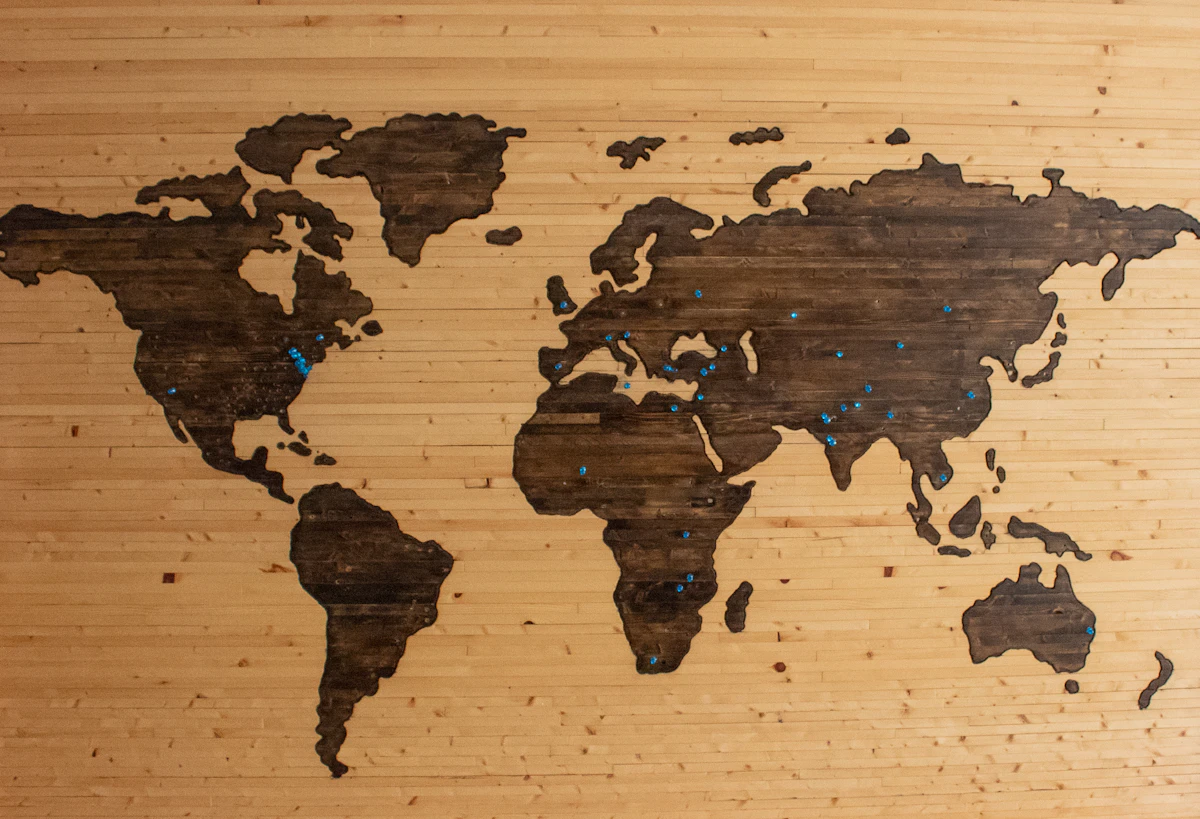
International expansion adds 25-50% revenue for most US sellers. Start with Canada NARF (free, instant, zero logistics) and UK (same language, strong demand). Germany is the largest EU market but requires translations and VAT. Budget for VAT registration ($300-500/country), professional translations ($200-400/listing set), and separate inventory for non-NARF marketplaces.
Why expand internationally?
Amazon operates in 20+ countries, and most US sellers only sell in one of them. International marketplaces represent a massive untapped revenue opportunity — typically adding 25-50% to your US revenue with the same products, same brand, and largely the same operational infrastructure.
The math is straightforward: if you're doing $50K/month in the US, international expansion could add $12,000-25,000/month. That's the equivalent of launching 3-5 successful new products — but with products you've already proven work.
International competition is also generally lighter than the US. Amazon.com is the most competitive marketplace. UK, Germany, and Japan have strong buyer bases but fewer sellers competing for attention.
Available marketplaces
| Region | Marketplaces | Revenue Potential (vs US) | Complexity |
|---|---|---|---|
| North America | Canada, Mexico | 5-15% | Low (NARF available) |
| Europe | UK, Germany, France, Italy, Spain, Netherlands, Poland, Sweden | 30-50% combined | Medium-High (VAT, compliance) |
| Asia-Pacific | Japan, Australia, Singapore, India | 5-20% | Medium-High (translations, local compliance) |
| Middle East | UAE, Saudi Arabia | 2-5% | Medium (some product restrictions) |
| South America | Brazil | 2-5% | High (import regulations, taxes) |
Easiest marketplaces first
Canada (NARF) — start today
North American Remote Fulfillment (NARF) lets you sell in Canada and Mexico from your existing US FBA inventory. Amazon handles cross-border fulfillment, customs, and delivery. You don't ship separate inventory, don't register for GST (below threshold), and your US listings are mirrored automatically.
Setup takes 15 minutes. Revenue starts within days. This is the lowest-effort, lowest-risk international expansion available.
UK — same language, strong demand
The UK is typically the second market for US sellers because: same language (with minor spelling differences), similar consumer behavior, strong demand across most product categories, and established FBA infrastructure. The UK is Amazon's third-largest marketplace globally.
Requirements: UK VAT registration (mandatory if storing inventory in the UK), EORI number for customs, and UK-compliant product labeling.
Germany — largest EU market
Germany (Amazon.de) is Europe's largest marketplace and the gateway to Pan-European FBA. Revenue potential is significant but setup is more complex: German translations (professional, not machine), German VAT registration, WEEE registration for electronics, packaging registration (Verpackungsgesetz), and product compliance documentation.
Japan — third largest globally
Amazon Japan is the third-largest marketplace globally with less seller competition than the US. Requires Japanese translations (by a native speaker — Japanese consumers have zero tolerance for poor translations), Japanese import compliance, and understanding of local packaging expectations.
Requirements by region
| Requirement | Canada (NARF) | UK | EU (DE/FR/IT/ES) | Japan |
|---|---|---|---|---|
| Separate inventory | No | Yes | Yes | Yes |
| Tax registration | No (under threshold) | UK VAT | VAT per country | JCT registration |
| Translations | No (English/French auto) | Minor (UK English) | Yes (professional) | Yes (native speaker) |
| Product compliance | Minimal | UKCA marking | CE marking, WEEE, packaging | PSC, food labeling |
| Setup cost | ~$0 | $500-800 | $800-1,500/country | $1,000-2,000 |
| Time to first sale | Days | 3-4 weeks | 6-8 weeks | 6-8 weeks |
Automate this with Jarvio; no coding required.
Start 14-day free trialFulfillment options
Pan-European FBA
Send inventory to one EU warehouse and Amazon distributes across Europe automatically. This gives you Prime eligibility in all EU countries. Downside: requires VAT registration in every country where Amazon stores your inventory (up to 7 countries).
European Fulfilment Network (EFN)
Store inventory in one EU country and fulfill orders across the EU from that single location. Simpler VAT requirements (only one registration needed) but slower delivery to other countries and no local Prime eligibility in non-home countries.
NARF (North America)
Sell in Canada and Mexico from US inventory. Amazon handles cross-border fulfillment. Easiest option but limited to North America.
Remote fulfillment recommendations
Start with EFN (one country, one VAT registration) and upgrade to Pan-European FBA once your EU volume justifies the additional VAT registrations ($200-300/country/year). The break-even point is typically $5,000-10,000/month in EU revenue.
Listing localization
Localization goes beyond translation. Each marketplace has different:
- Search terms: UK buyers search "nappies" not "diapers," "plasters" not "Band-Aids," "worktop" not "countertop"
- Measurement units: UK/EU use metric (centimetres, kilograms), not imperial
- Cultural expectations: German buyers expect detailed specifications; Japanese buyers expect meticulous packaging descriptions
- Competitor landscape: Your US keywords may not be the right keywords in another market
For each marketplace, conduct fresh keyword research in the local language. Don't just translate your US keywords — research what local customers actually search for.
International pricing strategy
International pricing must account for different cost structures:
- Shipping costs: Getting inventory to international FBA warehouses costs more than domestic shipping
- VAT: European prices are VAT-inclusive (20% in UK, 19% in Germany). Your €29.99 price includes VAT — your actual revenue is €24.99 (UK) or €25.20 (Germany)
- Currency fluctuation: Review pricing monthly as exchange rates shift
- Local competition: Don't just convert your US price — check what local competitors charge
- Import duties: Depending on product category and country of manufacture
General rule: international prices are typically 10-30% higher than US prices after accounting for all additional costs.
Revenue expectations
| Marketplace | Revenue as % of US | Time to Meaningful Revenue | Best Categories |
|---|---|---|---|
| UK | 10-20% | 1-2 months | Home, beauty, supplements |
| Germany | 5-15% | 2-3 months | Home, tools, automotive |
| Canada | 5-10% | 1-2 weeks (NARF) | Most US categories |
| France | 2-5% | 2-3 months | Beauty, home, food |
| Italy/Spain | 2-5% each | 3-4 months | Home, food, beauty |
| Japan | 5-15% | 3-4 months | Supplements, beauty, kitchen |
Common mistakes
1. Using machine translation. Google Translate or Amazon's auto-translation produces listings that feel unnatural to native speakers. Bad translations destroy trust and conversion rate. Invest in professional translation ($50-150 per listing).
2. Ignoring VAT from the start. Some sellers expand first and register for VAT later. This creates retroactive tax liability and potential penalties. Register before sending inventory.
3. Expanding to too many countries at once. Start with one international marketplace, learn the process, build to profitability, then expand to the next. Running 5 new marketplaces simultaneously with limited resources means none get proper attention.
4. Using US pricing with currency conversion. Each marketplace has its own competitive landscape. Research local pricing before setting yours — your US price converted to GBP might be 30% above or below the local market rate.
5. Forgetting about PPC. Just like in the US, new international listings need PPC to gain visibility. Budget for local PPC campaigns in each marketplace. See our PPC guide.
What this looks like in practice
Frequently asked questions
Which Amazon marketplace should I expand to first?
Do I need VAT registration for Europe?
How much extra revenue can I expect from international?
Can I use my US FBA inventory for international sales?
Do I need to translate my listings?
What about returns and customer service in other languages?

Connor Mulholland
Ready to automate your Amazon operations?
Start 14-day free trialRelated articles
Amazon Multi-Marketplace Strategy: US, UK, EU, and Beyond
Ready to sell beyond Amazon US? Here's how to expand internationally.
StrategyHow to Expand Your Shopify Brand to Amazon (Complete Guide)
Your Shopify brand is ready for Amazon. Here's the complete guide to launching without the common DTC mistakes.
StrategyAI for Amazon Images: Generate, Edit, and Optimize Product Photos
AI can help plan, generate, and optimize Amazon product images without violating policies.